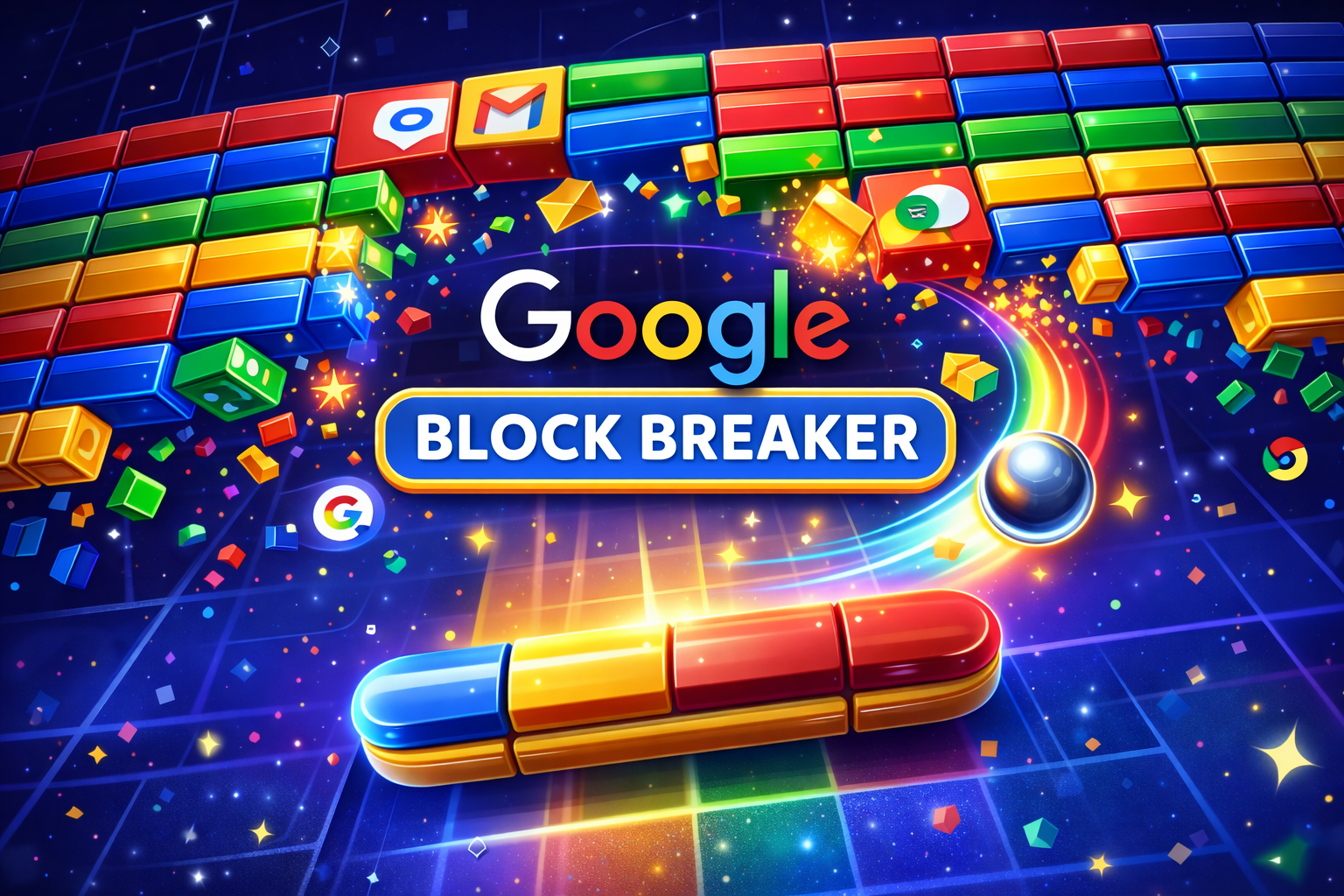
Google Block Breaker
Google Block Breaker: Clean Structure, Strong Signals, Faster Results
This page is built for one job: make your post easy to scan, easy to trust, and easy to index. Use it as a repeatable checklist each time you publish.
1)Google Block Breaker: How to Play, Win, and Score Big
These items cover the big ranking signals for a single post. Keep it tight. Keep it consistent.
- One clear topic: one primary query, one page goal, no mixed intent.
- Title + H1 match: same topic phrasing, no bait-switch.
- First 120 words: answer the query fast, then expand.
- H2 map: each H2 covers one sub-intent. No empty headings.
- Internal links: add 2–5 relevant links on your own site (use descriptive anchors).
- Image alt: describe the image; add the keyword only where it fits naturally.
- Fast load: compress images, limit heavy scripts, avoid huge sliders.
- Index readiness: no “noindex”, no canonical mistakes, clean URL, clean breadcrumbs.
2) Title, URL, and snippet alignment
You want one message across title, URL, intro, and headings. Mixed signals drop clicks and weaken relevance.
| Element | What to do | Quality test |
|---|---|---|
| Title | Front-load the main topic. Add a benefit hook that matches the page intent. | If you remove the brand name, it still reads like the best answer. |
| URL | Short, readable, no filler, no stop-word stacking. | It looks clean in a chat message without trimming. |
| Intro | Give the answer early, then show your roadmap with 3–5 topics you cover. | User sees value before scrolling. |
3) Heading structure that Google can parse
Think in blocks: each block solves one question. That creates clean topical coverage and clean passage ranking.
- H2 = sub-intent: one question, one solution. Keep labels short.
- H3 = proof + steps: add steps, checks, edge cases, or examples.
- Avoid repeats: don’t copy the same heading with a small word swap.
- Trim fluff: if a section adds no new value, delete it.
4) Content depth that beats thin pages
Depth is not word count. Depth is coverage, clarity, and proof. Build each section with a simple pattern.
| Section part | What to include | Why it matters |
|---|---|---|
| Answer | Direct response in 1–2 lines. | Instant relevance + better engagement. |
| Details | Steps, checks, settings, screenshots guidance, tools. | Reduces pogo-sticking. Builds trust. |
| Edge cases | Common mistakes, “if X happens, do Y”. | Shows expertise. Improves satisfaction. |
| Proof | Data, examples, short comparisons, clear takeaways. | Stronger E-E-A-T signals. |
5) Image SEO (without stuffing)
Use images to support the text. Keep them light, compressed, and placed near the section they support.
- Alt text: describe what the image shows in plain language.
- File size: keep it small. Big images slow LCP.
- Placement: put visuals beside key steps or key comparisons.
6) Internal links that pass context
Internal links shape topical clusters. They guide crawlers and guide users to the next step.
- Anchor text: describe the destination page clearly.
- Link choice: link only pages that add value to this topic.
- Placement: put links inside relevant paragraphs, not only at the end.
7) Technical checks inside WordPress
Small mistakes here can block ranking even with great content.
- Index: confirm the page is indexable.
- Canonical: avoid pointing to the wrong URL.
- Schema: use clean Article/FAQ markup via your SEO plugin.
FAQs (quick answers users search)
Q How long should a WordPress post be for SEO?
Write enough to solve the query fully. Use headings, steps, and edge cases. Stop when extra text stops adding value.
Q How many keywords should I target in one post?
Target one primary query, then cover close variations inside H2/H3 sections. Keep wording natural and avoid forced repeats.
Q What is the fastest on-page fix that improves rankings?
Clean the intro and the heading map. Make the first screen answer the query fast, then cover sub-questions with clear sections.
Q Why is my post not ranking even after publishing?
Check indexing, canonical, internal links, thin sections, slow load, and weak intent match. One mismatch can hold the page back.
Q Do images help SEO on WordPress?
Yes, when they support the content. Compress them, use accurate alt text, and place them beside the section they explain.
About the Author