Türosette
Türosette Explained: The Small Door Part That Can Change Daily Use
A Türosette is the plate around your door handle or key cylinder. It may look minor, yet it can make your door feel cleaner, steadier, and more secure. This guide breaks down types, materials, fit, and simple buying tips with real examples and a quick table you can use.
Premium Visual Reference
If your handle feels loose, or the key area looks rough around the edges, a better-fitting Türosette can be a simple upgrade with a big impact.
What a Türosette Is
A Türosette is a cover plate that sits on the surface of a door. It frames the handle base or the key cylinder opening. It hides screw points, covers cut edges, and gives a smooth finished look. Many doors use two rosettes as a matching pair. One rosette supports the handle area. The other frames the key area. When both parts match, the door looks balanced and clean. When the fit is tight, the handle feels more stable too. This is why people replace worn or thin rosettes, even when the handle still looks fine. In daily life, you touch this area a lot. A strong, well-made Türosette can keep the door feeling solid for years.
Why People Search “Türosette”
Many shoppers see the word Türosette on hardware listings and wonder what it means. Others search it after their handle starts wobbling, or after they repaint a door and want a clean finishing piece around the lock. Some people want a style upgrade. Others want stronger protection. The key idea is simple. A basic Türosette is about finish and support. A stronger security-style rosette can also protect the cylinder area. So the same keyword can fit two needs: better looks and better strength. If your door is an entrance door, strength matters more. If it is an interior door, looks and comfort may matter more.
Main Types of Türosette
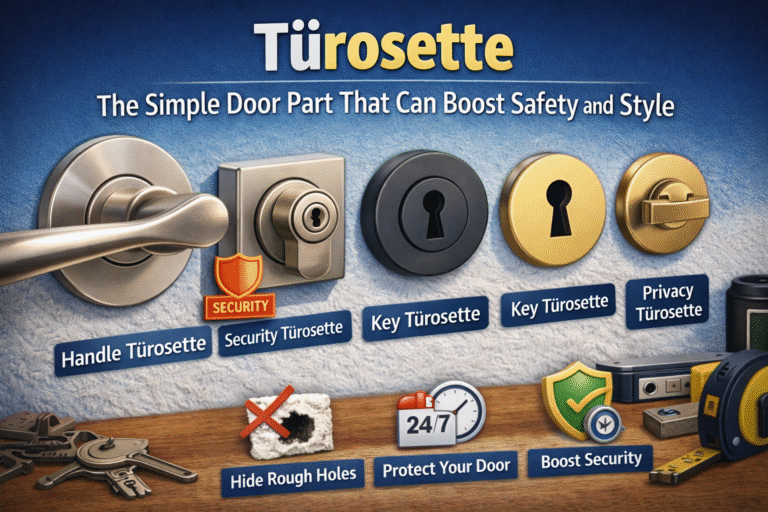
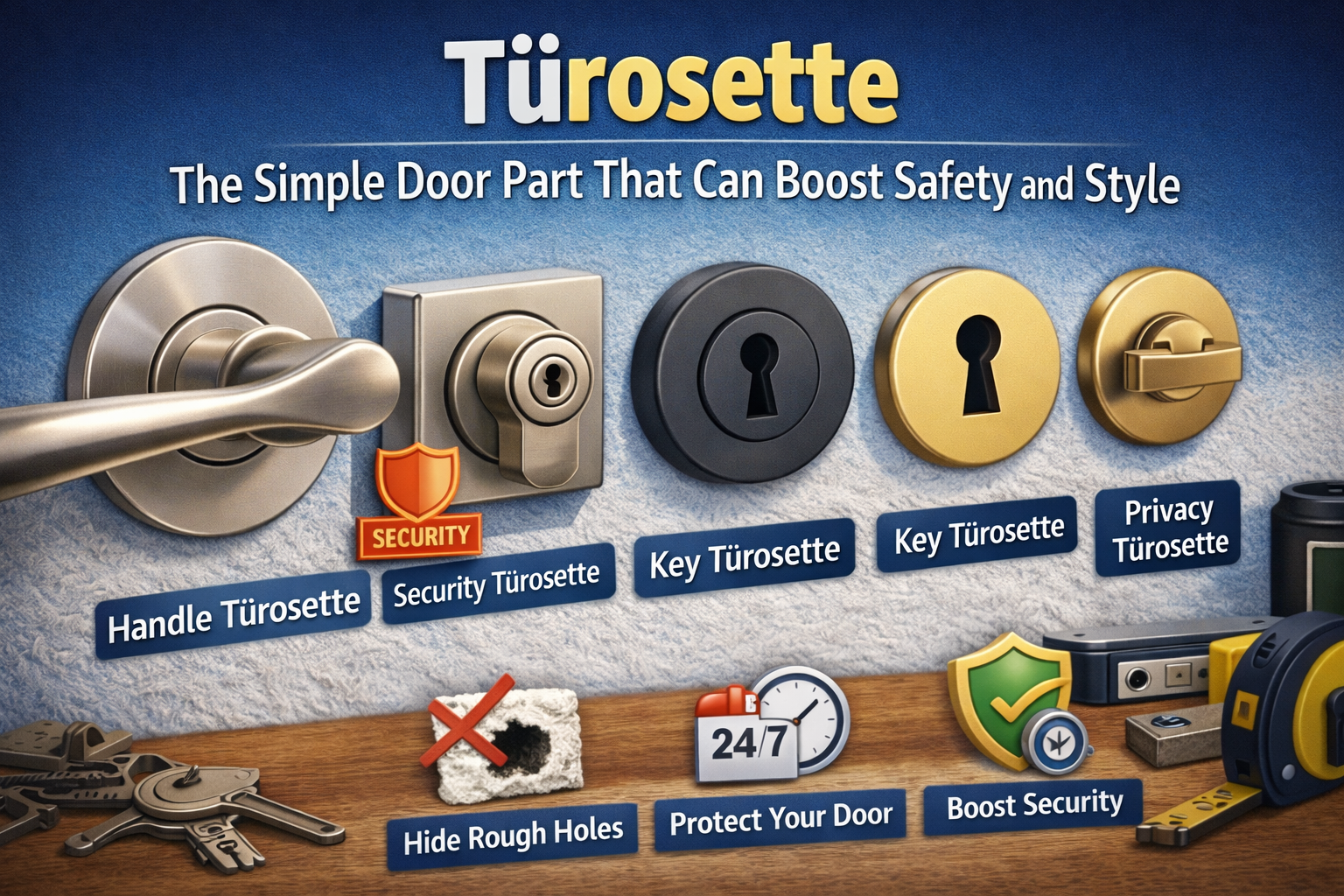
You will usually see Türosette types split by function. The first is the handle rosette, placed behind a lever or knob. The second is the key rosette, placed around the key cylinder opening. Some doors use a long backplate instead, but rosettes give a cleaner and more minimal look. Many people love the “lever-on-rose” style because it looks modern and neat. Security-focused doors often use thicker rosettes around the cylinder. These reduce exposed gaps and make the lock area harder to grip or damage. When buying, always match the rosette cutout to your lock type. A wrong cutout creates gaps, wobble, and a cheap look.
Handle Rosette
This is the plate behind the handle. It covers fixings and supports the handle base. A good one sits flat and does not flex. If your handle loosens often, the rosette can be part of the reason. A stronger plate spreads pressure across a wider area, which can keep the handle steadier through daily use.
Key / Cylinder Rosette
This plate frames the key area. It hides rough hole edges and makes the lock area look clean. On entrance doors, a protective cylinder rosette can also reduce exposed cylinder parts. That can help the lock area feel tougher. The big win is a tight fit that leaves no ugly gaps.
Security Türosette: What Makes It Stronger
A basic Türosette is mostly about finish. A security-style Türosette is built to protect the cylinder area from force. The cylinder is a common target because it sits on the outside surface. Stronger rosettes are usually thicker, heavier, and tighter around the cylinder. Many also use stronger mounting, so the rosette does not shift when pressure is applied. Some designs include a cylinder cover that hides more of the cylinder. That cover must still allow smooth key turning. If it scrapes, the alignment is off. A good security rosette feels like a solid shield, not like a thin decorative ring. On a main entrance door, this upgrade can be worth it.
Best Materials and Finishes
Material changes both strength and feel. Stainless steel is popular for long life and a strong daily feel. Solid brass looks warm and premium, especially on classic interiors. Matte black finishes look bold and modern, but they should be well-coated so they do not chip fast. Thin plated metal can look good at first, then scratch quickly. If you want a heavy, stable feel, choose a rosette that feels solid in hand. Edges should be smooth, not sharp. The plate should sit flat and not bend when tightened. On entrance doors, choose stronger metal and better mounting. On interior doors, you can focus more on style, comfort, and a matching look across rooms.
Round vs Square: Which Looks Better
Round rosettes feel classic and fit almost any door. They also hide small alignment issues better. Square rosettes look sharp and modern, and pair well with clean lines and flat doors. A simple rule can save you time. Match the rosette shape to the handle shape. Round handle, round rosette. Square handle, square rosette. Also match the finish across the home. Consistent hardware can make even a simple home feel premium. If your door had a long plate before, rosettes may reveal old marks. In that case, choose larger rosettes so the door still looks clean.
Sizing and Fit: The Most Common Mistake
The biggest mistake is buying a beautiful Türosette set that does not fit the lock opening or door thickness. If the key rosette cutout does not match the cylinder, you will get gaps. Gaps look bad and can cause movement over time. Door thickness also matters. Some sets are built for specific thickness ranges, and the mounting bolts may not reach well on thicker doors. Another common problem happens after changing from a long plate to rosettes. Old marks can show around the new smaller plates. Measure your door thickness, check your lock type, and compare your old footprint before you buy. A clean fit is what makes a rosette feel premium.
Quick Comparison Table
| Türosette Type | Best For | Big Benefit | Watch Out For |
|---|---|---|---|
| Standard Handle Rosette | Interior doors | Clean finish, steadier handle feel | Thin plates can flex and loosen |
| Standard Key Rosette | Interior keyed doors | Tidy key area, hides rough edges | Wrong cutout leaves gaps |
| Security Cylinder Rosette | Front and entry doors | More cylinder protection, tighter look | Needs strong mounting and alignment |
| Cylinder Cover Rosette | Entry doors needing extra shielding | More coverage over cylinder area | Key must still turn smoothly |
| Lever-on-Rose Set | Full door refresh | Matching premium style | May reveal old plate marks |
If the door is your main entrance, pick strength first. If it is a room door, pick comfort and matching style.
Installation Basics That Keep It Stable
A good install is what makes a Türosette feel solid. Start by removing old hardware and cleaning the door surface. Place the rosette flat and centered. Tighten screws evenly so the plate sits flush. Do not over-tighten, because thin plates can bend and create a gap. After tightening, test the handle. It should move smoothly and return cleanly. Then test the key turning. It should not scrape on the plate. If you feel resistance, loosen and adjust alignment. A clean install feels quiet and steady. For entrance doors, strong mounting matters more. Through-bolts and firm plates can hold better over time.
Real Example: Fixing a Wobbly Handle
Picture a door where the lever keeps getting loose. You tighten the screw, and it still comes back. In many cases, the handle is not the real problem. The rosette plate may be weak or slightly bent. Each time someone pulls the door quickly, the plate shifts. Over time, screws back out. Swapping to a thicker Türosette can fix the root issue. The new plate spreads pressure better and sits flat. The lever feels firm again. The lock area also looks cleaner. This is why a rosette upgrade can feel like a full door upgrade, even when you only change one small part.
Buying Checklist
Use this checklist before you buy a Türosette. First, confirm the lock type and key opening style. Next, measure the door thickness. Then check your old hardware footprint, especially if you are switching from a long plate. Choose a durable material that matches your door usage. Entrance doors should get stronger plates and stronger mounting. Make sure the rosette sits tight around the cylinder so you do not get gaps. Choose a shape that matches your handle, and choose a finish that matches your other doors. If you follow these steps, the rosette will look premium, feel stable, and hold up under daily use.
FAQs About Türosette
1) Is a Türosette the same thing as an escutcheon plate?
2) Do I need a security Türosette for my front door?
3) Can I replace a long backplate with rosettes?
4) Why does my handle still feel loose after tightening?
5) Which rosette shape should I pick, round or square?
6) What is the easiest way to avoid buying the wrong Türosette?
Final Take
A Türosette is small, but it changes how a door feels every day. It cleans up the lock area, supports the handle, and can make the whole door look premium. For interior doors, matching style and comfort can be the main goal. For entrance doors, strength and tight fit matter most. When you measure carefully and choose solid materials, the result feels stable and looks sharp. If your handle keeps loosening, or the cylinder area looks exposed, upgrading the rosette can be one of the simplest ways to get a better daily experience.
About the Author